Learn · Science
Cold therapy benefits: how cooling works on the body
Athletes have used cold for recovery for decades. Here's what cold actually does inside your body, what the research says it can and can't do, and why the material doing the cooling makes a difference.
General information, not medical advice. For an injury, or pain that is severe or not improving, see a doctor or physiotherapist.
Cold pulls heat out of the skin and the tissue beneath it. That narrows blood vessels, slows nerve signals so pain feels duller, and slows local metabolism. The proven benefit is feeling better: less pain and less soreness after hard exercise. How fast cooling happens depends on the temperature difference, the contact, and the thermal conductivity of the cold material.
What cold does to the body
Cold works like turning down the volume on an area. Blood flow slows down, nerves send fewer and slower pain signals, and cells in the cooled area slow down for a while. The result: the area feels calmer and less sore.
Cold therapy reduces pain, blood flow, swelling, inflammation, muscle spasm and local metabolic demand.[1] In one study, cooling the skin of the ankle to 10 °C cut nerve conduction velocity by 32.8% and raised pain threshold and pain tolerance.[2] These effects are temporary and reverse as the area rewarms.
The real benefits of cold therapy
| Benefit | How confident we can be |
|---|---|
| Short-term pain relief | High. Cooling raises pain threshold and tolerance[2][1] |
| Less soreness after hard exercise | Moderate. Cochrane review: cold water immersion reduced soreness ratings at 24–96 h (low-quality evidence)[3][4] |
| Feeling fresher between sessions | Commonly reported by athletes, especially during tournaments and heavy training blocks |
| Faster healing of injuries | Uncertain. Limited trial evidence; newer injury guidance (PEACE & LOVE) doesn't include ice[1][5] |
| Bigger strength or muscle gains | No. Regular whole-body cold right after strength training may reduce muscle growth[6] |
That last point matters if you lift. A 2015 study[6] found that regular cold water immersion after strength sessions blunted long-term gains in muscle mass and strength. If size and strength are your main goals, save cold for when comfort and readiness matter more, such as competition weeks, double sessions or the day after.
The physics: why the cooling material matters
Heat always moves from warm to cold. How fast it moves depends on three things: how big the temperature difference is, how much of the cold surface touches you, and how easily heat travels through the cold material.
That last one is thermal conductivity. Think of it as the width of the pipe heat flows through. Ice is a narrow pipe. HypoCarbon® is a much wider one.
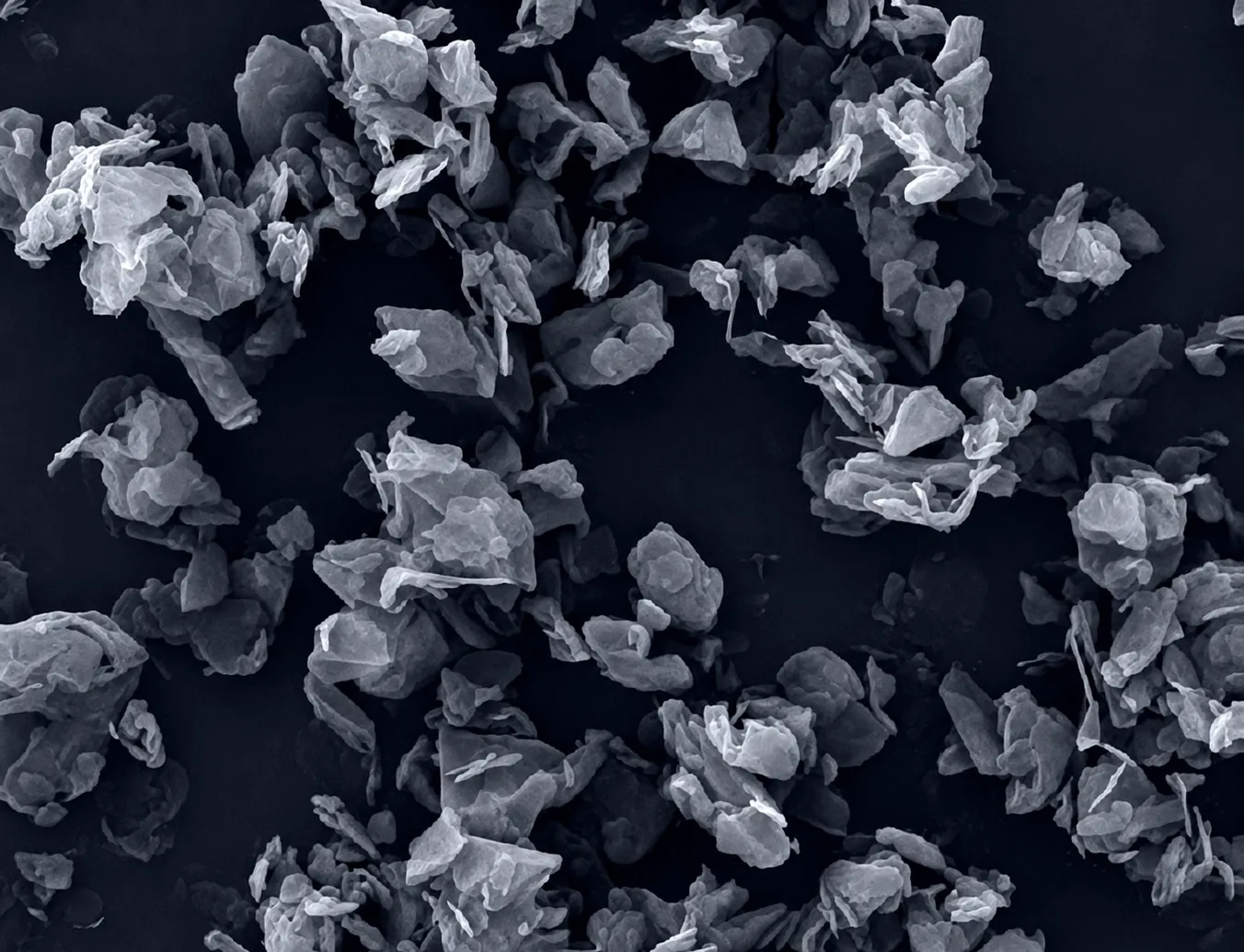
Heat flow by conduction is proportional to the thermal conductivity of the material, the contact area and the temperature gradient (Fourier's law). Water conducts at about 0.6 W/m·K[7] and ice at about 2.3 W/m·K at freezer temperatures.[8] HypoCarbon®, the carbon-based medium in Recoolvery+ RCPad pads, measured 35.0 W/m·K in in-house testing.[9]
Contact area matters too: a pad that stays flexible from the freezer shapes to the joint, while a rigid block only touches the high points.
Ice packs, cold water, cryo chambers and cooling wraps
| Method | How it cools | Good for | Drawbacks |
|---|---|---|---|
| Ice pack or bag of ice | Melting ice absorbs heat | Cheap, available anywhere | Rigid, melts and drips, has to be held in place |
| Ice bath / cold plunge | Whole body in cold water | Whole-body cooling after very hard efforts | Uncomfortable, needs space and lots of ice or a chiller |
| Cryotherapy chamber | Very cold air for a few minutes | A quick whole-body cold exposure | Expensive per session, needs a clinic |
| Cold therapy machine | Iced water pumped through a pad | Long, continuous cooling | About US$150–300+,[10] ice and water refills, tied to a cooler |
| Recoolvery+ cooling wrap | Freezable HypoCarbon® pads, 35.0 W/m·K[9] | Targeted cooling of a joint or muscle, anywhere, hands-free | Local, not whole-body. 15–60 min per pad set[11] |
Using cold safely
- Keep a thin layer between very cold surfaces and bare skin.
- Keep sessions limited, and stop if the skin becomes numb, very red, white or painful.
- Don't fall asleep with cold applied.
- Check with a doctor first if you have poor circulation, Raynaud's, diabetes, reduced feeling in the skin, or cold sensitivity.
Questions
What are the benefits of cold therapy?
The best-supported benefits are short-term pain relief and reduced muscle soreness after hard exercise. Many athletes also use cold to feel fresher between sessions. Evidence that cold speeds up injury healing is uncertain.
How does cold therapy work?
Cold draws heat out of the skin and underlying tissue. This narrows blood vessels, slows nerve signals so pain feels duller, and slows local metabolism for a while.
Is cold therapy bad for muscle growth?
Regular whole-body cold water immersion immediately after strength training has been shown to blunt long-term gains in muscle mass and strength. If muscle growth is your main goal, avoid routine cold straight after every strength session.
What is thermal conductivity?
How easily heat travels through a material, measured in watts per metre-kelvin (W/m·K). Water is about 0.6, ice about 2.3, and HypoCarbon® 35.0 in in-house testing.
Is Recoolvery+ an ice pack?
No. Recoolvery+ is a cooling recovery wrap with freezable HypoCarbon® pads. They conduct heat 15× better than ice, stay flexible from the freezer and don't melt or drip.
References
- Malanga GA, Yan N, Stark J. Mechanisms and efficacy of heat and cold therapies for musculoskeletal injury. Postgraduate Medicine, 2015. doi.org/10.1080/00325481.2015.992719
- Algafly AA, George KP. The effect of cryotherapy on nerve conduction velocity, pain threshold and pain tolerance. British Journal of Sports Medicine, 2007. doi.org/10.1136/bjsm.2006.031237
- Bleakley C, McDonough S, Gardner E, et al. Cold-water immersion (cryotherapy) for preventing and treating muscle soreness after exercise. Cochrane Database of Systematic Reviews, 2012. doi.org/10.1002/14651858.CD008262.pub2
- Machado AF, Ferreira PH, Micheletti JK, et al. Can water temperature and immersion time influence the effect of cold water immersion on muscle soreness? A systematic review and meta-analysis. Sports Medicine, 2016. doi.org/10.1007/s40279-015-0431-7
- Dubois B, Esculier JF. Soft-tissue injuries simply need PEACE and LOVE. British Journal of Sports Medicine, 2019 (print 2020). doi.org/10.1136/bjsports-2019-101253
- Roberts LA, Raastad T, Markworth JF, et al. Post-exercise cold water immersion attenuates acute anabolic signalling and long-term adaptations in muscle to strength training. Journal of Physiology, 2015. doi.org/10.1113/JP270570
- Ramires MLV, Nieto de Castro CA, Nagasaka Y, et al. Standard reference data for the thermal conductivity of water. Journal of Physical and Chemical Reference Data, 1995. doi.org/10.1063/1.555963
- Slack GA. Thermal conductivity of ice. Physical Review B, 1980. doi.org/10.1103/PhysRevB.22.3065
- HypoCarbon® thermal conductivity (35.0 W/m·K): Global Healthcare SG in-house testing of the proprietary formulation. Unpublished company data, available to clinical and trade partners on request.
- Retail prices observed in Google US search results for "cold therapy machine", October 2026 (for example, a pharmacy-brand system at US$149.99 and a specialist retailer from US$225).
- Recoolvery+ product specifications and care guide: session length, refreeze time, pad life and materials. recoolvery.com/products/recoolvery-wrap
Recoolvery+
Cooling for your recovery routine
Not an ice pack. Freezable HypoCarbon® pads in a hands-free wrap for the knee, shoulder, elbow, ankle and back. HypoCarbon® conducts heat 15× better than ice. Cold only, no heating.
See the Recoolvery+ Wrap