Learn · Rest days
Active recovery: what to do on your easy days
Recovery doesn't always mean lying on the sofa. Active recovery is easy, low-effort movement on lighter days or after a session. Here's what it actually does, how easy it should feel, and when a complete rest day is the better choice.
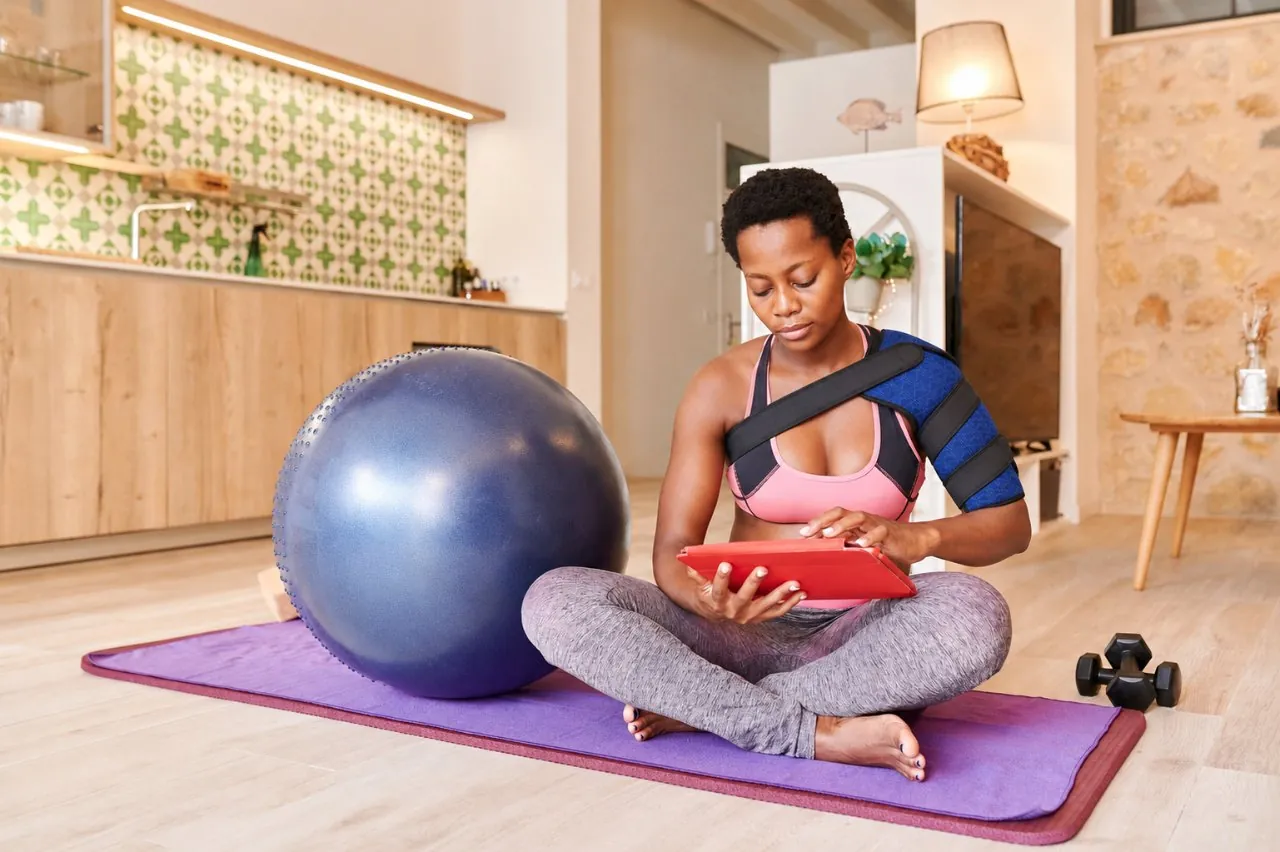
General information, not medical advice. For an injury, or pain that is severe or not improving, see a doctor or physiotherapist.
Active recovery is light exercise at an easy effort, roughly 2–4 out of 10, where you can hold a full conversation: walking, easy cycling, swimming, mobility work or gentle yoga. It keeps you moving and helps you feel less stiff without adding much fatigue. Research shows it clears lactate from the blood faster than resting still, but it mostly doesn't reduce muscle soreness or boost next-day performance, so think of it as a tool for feeling good and staying consistent.[1]
How easy is easy?
If you're breathing hard, it isn't recovery. The talk test is the simplest check: you should be able to chat in full sentences the whole time. If you finish feeling more tired than when you started, you went too hard.
The aim is to increase blood flow and gentle movement through the joints and muscles without adding meaningful training stress. Keeping intensity low ensures the session doesn't add to the fatigue you're trying to recover from.
Best active recovery activities
| Activity | How long | Good for |
|---|---|---|
| Walking | 20–45 min | Anyone, anywhere. The easiest option |
| Easy cycling | 20–45 min | Runners and field-sport athletes. Moves the legs with no impact |
| Easy swimming | 15–30 min | Low impact and supported by the water |
| Mobility work | 10–20 min | Stiff hips, back and shoulders |
| Gentle yoga | 20–40 min | Mobility plus winding down |
| Light technique work | 15–30 min | Skill practice at very low intensity |
Durations are practical guides, not figures from a specific study. Keep the effort easy throughout.
What active recovery does, and doesn't do
Moving gently tends to make you feel less stiff and more like yourself, and it keeps the habit of training going on easy days. Muscle activity eases soreness while you're moving, although it returns afterwards.[2] What it doesn't do is make sore muscles heal much faster, or guarantee you'll perform better the next day.
A 2018 review in Sports Medicine compared active and passive cool-downs. Active cool-downs speed up the clearance of lactate from the blood and may help the cardiovascular and respiratory systems recover faster. But they were largely ineffective for same-day and next-day performance, and most evidence showed they don't significantly reduce muscle soreness. Regular active cool-downs also didn't appear to blunt long-term training adaptations.[1]
Active recovery vs a full rest day
| Active recovery day | Full rest day | |
|---|---|---|
| What it is | Easy movement, 2–4 out of 10 effort | No planned exercise |
| Best when | You're a bit stiff or sore but otherwise fine | You're very tired, ill, or showing signs of overtraining[3] |
| Main benefit | Feeling less stiff and keeping the routine | Full physical and mental break |
| Risk | Going too hard and turning it into training | Few. Stiffness if you stay still all day |
Most training plans use both. If in doubt, especially when you feel run down, rest completely. More on rest days →
A simple recovery-day routine
- Move easy for 20–40 minutes: a walk, an easy spin or a swim.
- Mobility for 10 minutes on whatever feels tight.
- Cool the hardest-working areas for 15–60 minutes, hands-free while you rest.
- Eat well and get to bed on time. Sleep does most of the work.
Where Recoolvery+ fits
Recoolvery+ is not an ice pack. It is a cooling recovery wrap with freezable HypoCarbon® pads that conduct heat 15× better than ice.[4][5] On a recovery day, strap it on the knees, shoulders or back after your easy session and cool them hands-free while you stretch, eat or rest.
Questions
What is active recovery?
Light exercise at an easy effort, such as walking, easy cycling, swimming, mobility work or gentle yoga, done on rest days or after a hard session.
How intense should active recovery be?
Easy: roughly 2 to 4 out of 10 on a perceived-effort scale. You should be able to hold a full conversation the whole time and finish feeling better, not more tired.
Is active recovery better than complete rest?
Not necessarily. Research shows easy movement clears blood lactate faster, but it mostly doesn't reduce soreness or improve next-day performance. Use active recovery when you're a bit stiff but otherwise fine, and rest completely when you're very tired, ill or run down.
How long should an active recovery session be?
Usually 20 to 45 minutes of easy movement, or 10 to 20 minutes of mobility work. Keep it short enough that it doesn't add fatigue.
Should I take rest days?
Yes. Regular easy days and rest days are part of training, not a break from it. They give the body time to recover and adapt.
References
- Van Hooren B, Peake JM. Do we need a cool-down after exercise? A narrative review of the psychophysiological effects and the effects on performance, injuries and the long-term adaptive response. Sports Medicine, 2018. doi.org/10.1007/s40279-018-0916-2
- Armstrong RB. Mechanisms of exercise-induced delayed onset muscular soreness: a brief review. Medicine & Science in Sports & Exercise, 1984. pubmed.ncbi.nlm.nih.gov/6392811/
- Meeusen R, Duclos M, Foster C, et al. Prevention, diagnosis, and treatment of the overtraining syndrome (ECSS/ACSM joint consensus). Medicine & Science in Sports & Exercise, 2013. doi.org/10.1249/MSS.0b013e318279a10a
- HypoCarbon® thermal conductivity (35.0 W/m·K): Global Healthcare SG in-house testing of the proprietary formulation. Unpublished company data, available to clinical and trade partners on request.
- Slack GA. Thermal conductivity of ice. Physical Review B, 1980. doi.org/10.1103/PhysRevB.22.3065
Recoolvery+
Cooling for your recovery routine
Not an ice pack. Freezable HypoCarbon® pads in a hands-free wrap for the knee, shoulder, elbow, ankle and back. HypoCarbon® conducts heat 15× better than ice. Cold only, no heating.
See the Recoolvery+ Wrap